
Years of
presence

“Actively working in Odisha for over 5 years, focusing on empowering women through economic advancement, promoting sustainable livelihoods, and improving Gender Equality.”
Lakh SHG
Reached

“Pivotal in reaching over 1 Lakh SHGs across Odisha, empowering women through capacity-building initiatives on gender-related issues. By educating them about key laws supporting women's rights, PCI has fostered awareness and strengthened their ability to advocate for equality and justice.”
Prerna Kendras
established

“PCI has been instrumental in influencing and advocating with OLM to establish over 1380 Prerna Kendras across 64 blocks in all 30 districts of Odisha. Currently, PCI is supporting plans to scale this initiative to 2,866 Prerna Kendras across 168 blocks, ensuring wider reach and empowerment.”
Cases
Registered

“PCI's GSLP modules and gender campaigns have empowered women to build their capacities and amplify their voices, enabling 65,000+ women to step forward and register cases at Prerna Kendras for various gender-related issues. These impactful programs have transformed the lives of vulnerable communities across Odisha.”
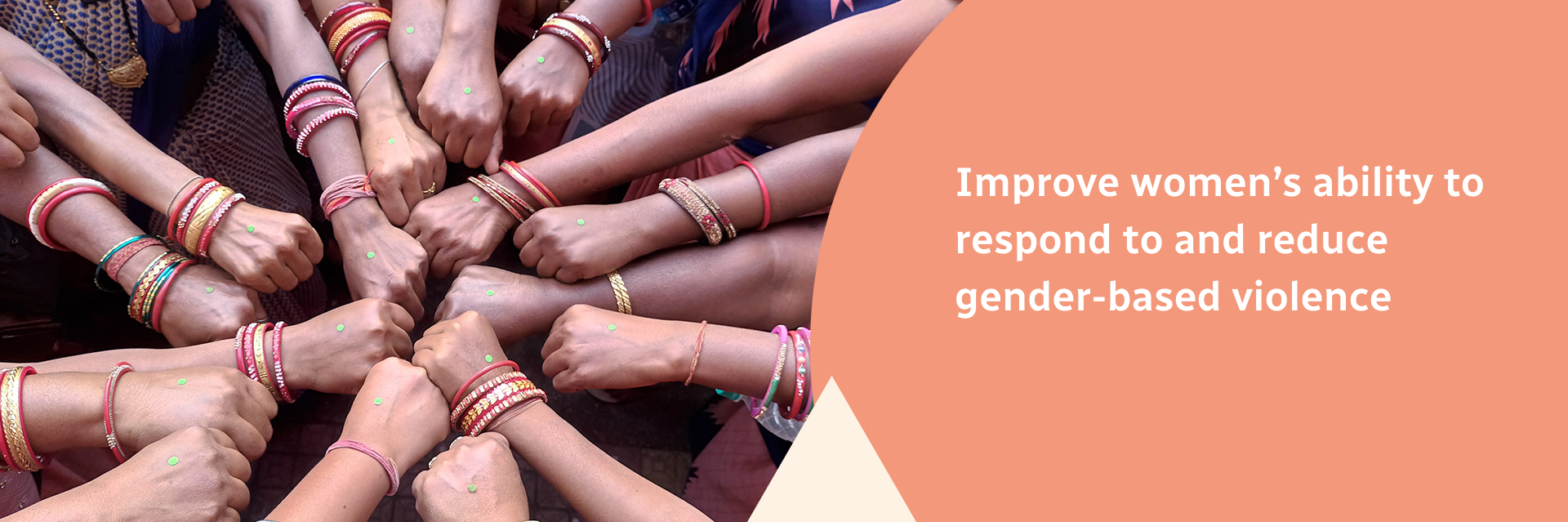
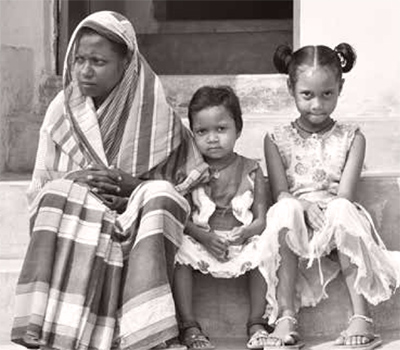
To create a society where women are empowered, aware of their rights, and have the agency to negotiate power dynamics, access essential services, and live free from gender-based violence and discrimination.
To implement community-led, gender-transformative interventions across rural and marginalized populations, improving women’s access to social entitlements, increasing their ability to combat gender-based violence, and fostering a supportive environment for sustainable empowerment.


Through Self-Help Groups (SHGs) and Community Leaders, the GTM empowers women by increasing their knowledge of gender rights, entitlements, and opportunities. Women are supported in addressing power dynamics, both at home and within their community.


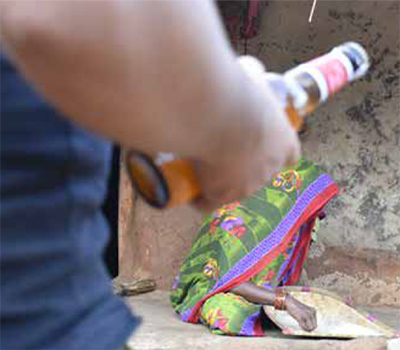
The program includes targeted interventions to reduce violence against women. Gender Resource Centres (GRCs) and Gender Forums are established at various community levels to provide support, counselling, and referral services to women in distress.
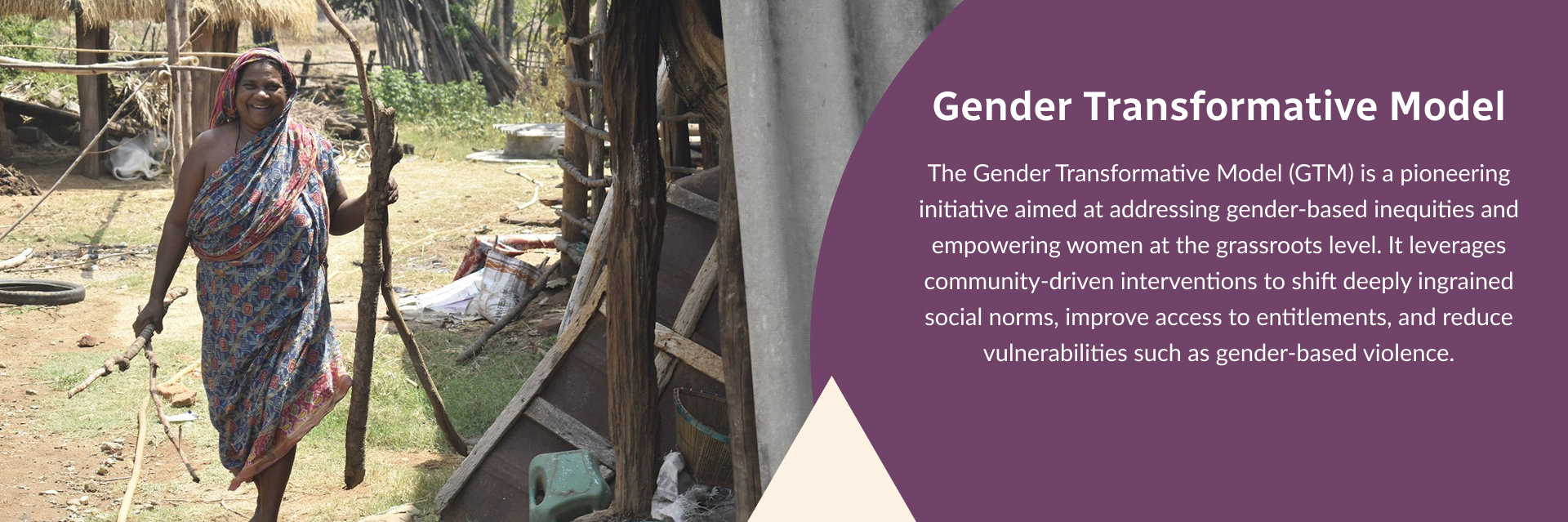
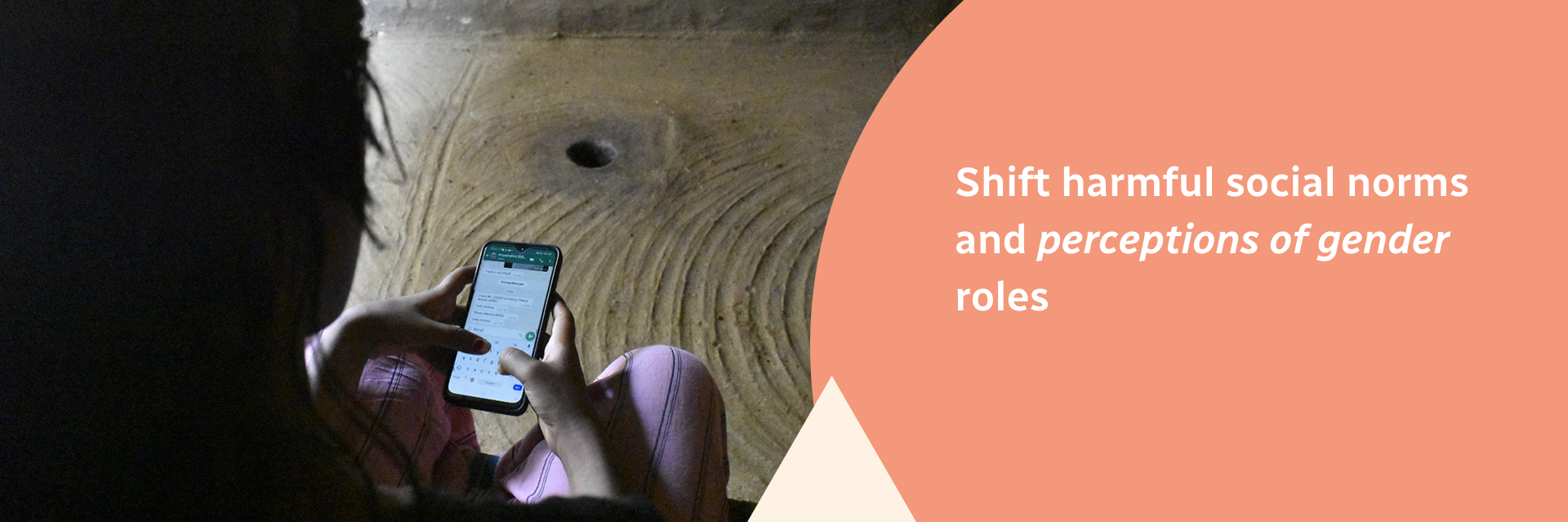
A key aspect of the GTM program is shifting the harmful social norms that perpetuate gender inequality. This is achieved through: Formative Research on social norms, Interventions and Community Dialogues to foster gender-equitable behavior, Vulnerability Mapping to identify high-risk areas and individuals

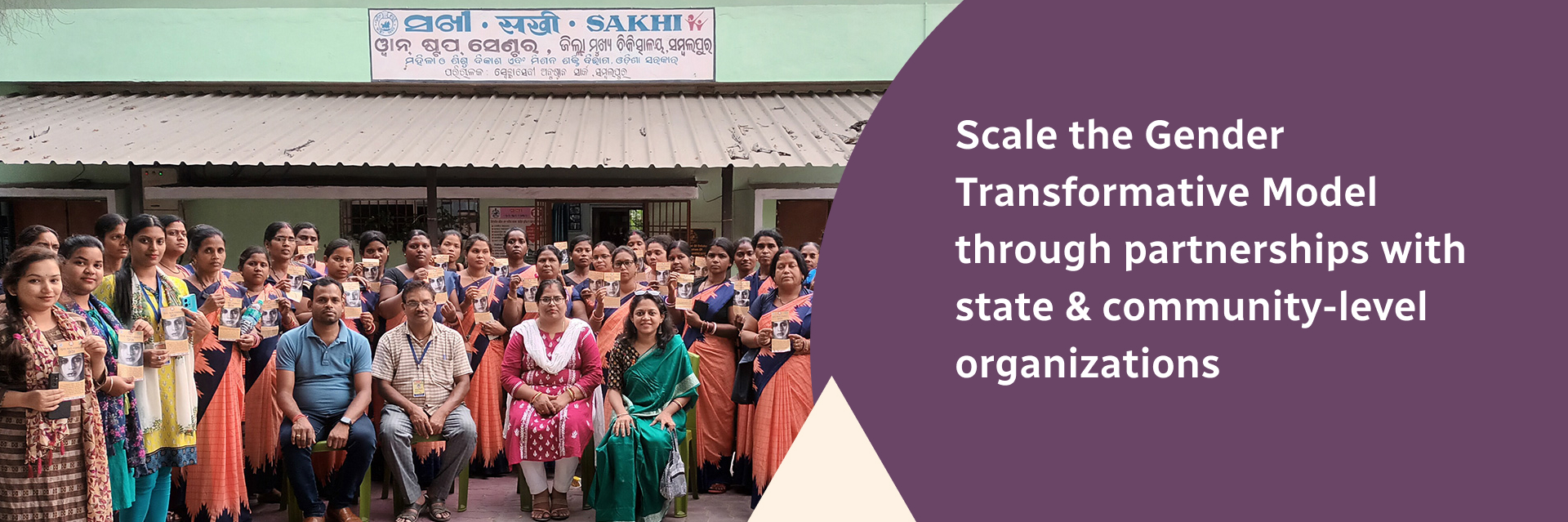
Collaborating with government bodies like the State Rural Livelihood Mission (SRLM), the GTM model ensures that gender-sensitive strategies are embedded into state-level policies, creating an enabling environment for women’s empowerment at a larger scale.

Women gain knowledge about their rights, enabling them to advocate for themselves and others.
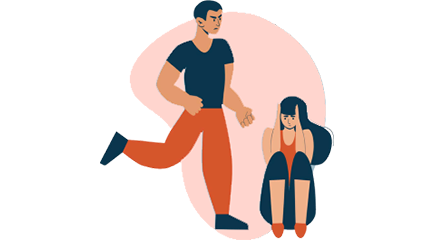
Empowered women and community sensitization reduce incidences of violence.

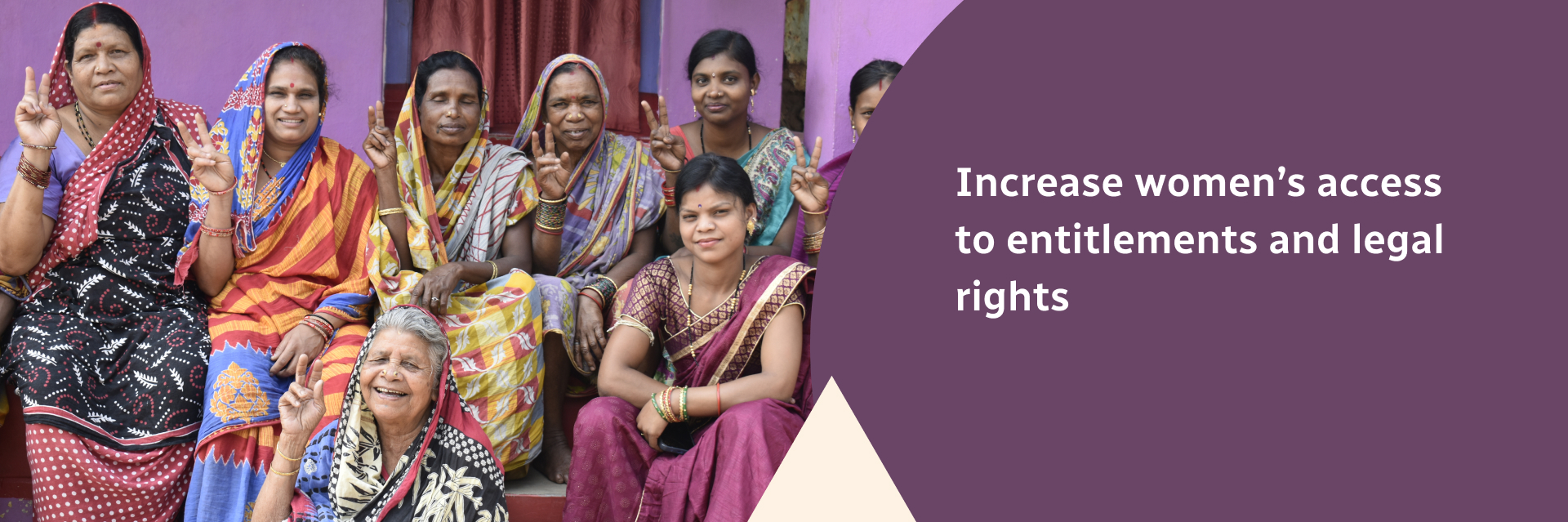
Women experience greater access to social entitlements and legal support, helping them secure a better future for themselves and their families.
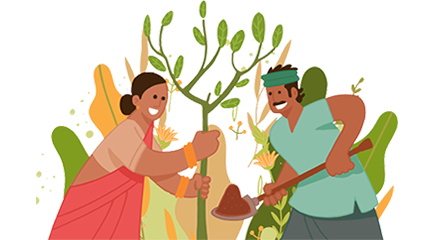
GBV survivors are empowered to access economic advancement opportunities and have better control over their livelihoods.
Since its inception in 2019, The Gender Transformative Model (GTM) has driven significant, measurable change in communities by advancing gender equality and fostering social inclusion.

SHGs

CLFs

GPLFs

Womens
of SHG women in Odisha attended a training session, the highest across the states.
of SHG women in Odisha are aware of GFCs, the highest among all states.
of SHG women in Odisha use GFCs, the highest, though usage remains low across states.
of SHG women in Odisha have the contact information of their Gender CRPs (G-CRPs).
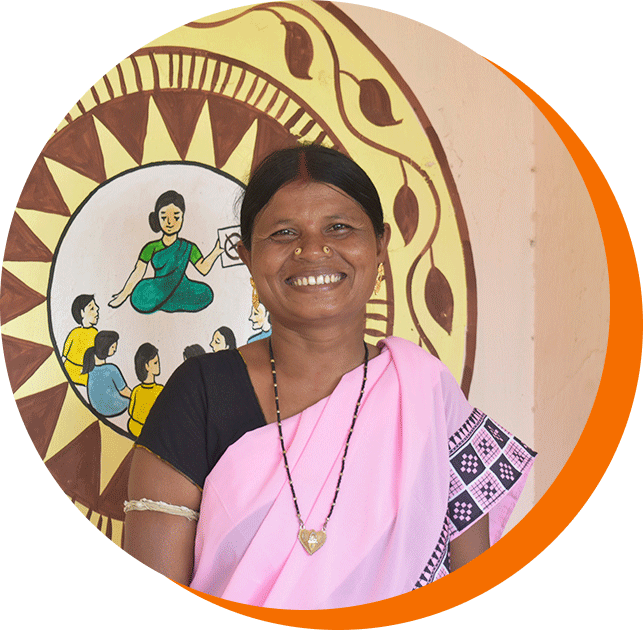
 G-CRPs as
Preferred Resource
G-CRPs as
Preferred Resource
Odisha is the only state where G-CRPs are the most preferred resource for SHG women seeking support for government-issued documents and entitlements.
 Successful
Swayam Strategy
Successful
Swayam Strategy
Odisha’s Swayam strategy, involving a dedicated Gender CRP cadre and physical proximity of GFCs to GP offices, has fostered greater interaction and success.
 Effective
Support for Women
Effective
Support for Women
G-CRPs in Odisha report no major challenges in supporting women with Gender-Based Violence, social entitlements, and property rights.
Support from Local Leadership
Odisha's G-CRPs find Sarpanchs to be appreciative and supportive of their work.





 1018A, Nayapalli, Bhubaneswar, Odisha, PIN-751012
 +91 7250247611
 0674-3514780
 bsarangi@pciglobal.in
F-87, Okhla Industrial Estate, Phase -3, New Delhi - 110020
011-46058888
 MIS
Login
MIS
Login
 The Model